

Key Takeaways
- An optometrist examines your eyes for both vision changes and health concerns, not just prescription updates.
- Look for a practice that takes time with you and matches eyewear to your lifestyle, not just your prescription number.
- OHIP covers adults 65 and older and children under 20. Most other adults pay through private insurance or out of pocket.
- Most adults benefit from an eye exam every one to two years, or more often if certain health conditions apply.
What an Optometrist Does and Why It Matters
You might book an eye exam because your vision feels a little off or your glasses feel outdated. That’s a fair reason. But a thorough exam does a lot more than update your prescription.
An optometrist is an eye doctor trained to examine your eyes for both vision and health concerns. During a visit, the doctor checks for conditions like glaucoma, a disease involving increased pressure in the eye that can damage the optic nerve, dry eye disease, and changes in the retina that can point to conditions like diabetes.
Many of these issues don’t cause noticeable symptoms early on. A regular exam is often the only way to catch them before they affect your daily life or progress further. EyeCare Niagara offers thorough exams designed to catch exactly these kinds of changes.
To get a sense of what a comprehensive eye exam covers, it helps to know what the doctor is actually looking for beyond the standard vision chart.
How to Pick an Optometrist in St. Catharines
What to Look for in a Practice
Not every eye exam feels the same. Some feel rushed. You sit down, read a chart, and leave with a slip of paper. A practice that takes its time with you will feel noticeably different.
Look for an optometrist in St. Catharines who asks about your daily life, your work, your hobbies, and how you actually use your eyes. That information shapes your eyewear recommendations in ways a chart alone never could.
Questions Worth Asking Before You Book
Before you schedule an appointment, a few questions can help you figure out if a practice is the right fit for you:
- How long is a typical exam appointment?
- Do they carry a range of frame styles and lens options?
- Do they see patients from surrounding areas like Welland, Niagara Falls, or Thorold?
Eye Exam Costs and Coverage in Ontario
Who Pays and Who Qualifies for Coverage
In Ontario, the Ontario Health Insurance Plan (OHIP) covers routine eye exams for adults 65 and older and children and youth under 20. If you fall outside those age groups, you’re likely paying through private insurance or directly out of pocket.
For a clear breakdown of what OHIP covers for eye exams, it’s worth reviewing the details before you book.
Many private insurance plans cover an exam once a year or every two years, so it’s worth checking your benefits before you book. Out-of-pocket costs vary depending on the practice and the type of exam. A more thorough exam that includes a detailed review of your eye health may cost more than a basic vision check, and for many people, that difference is worth it.

Do You Need a Referral to See an Ophthalmologist?
You don’t need a referral to see an optometrist. You can book directly. If your exam reveals something that needs further attention, an optometrist can refer you to an ophthalmologist, who is a medical eye doctor and surgeon trained to treat eye diseases and perform procedures.
What to Expect During Your Eye Exam
The Exam Itself
A thorough eye exam covers more than how clearly you can read a line of letters. The doctor will test your vision clarity and determine your prescription, but also check your eye pressure, examine your retina, the light-sensitive tissue at the back of your eye, and look for early signs of conditions like dry eye disease or glaucoma.
You don’t have to be experiencing symptoms for these checks to be useful. The American Optometric Association outlines what a comprehensive eye exam includes, and it goes well beyond reading an eye chart.
After the Exam
Once the exam is done, the conversation shifts to what you actually need. Your prescription is just the starting point. An optometrist may ask how you spend your time, whether that’s working at a screen, driving at night, or spending weekends outdoors, and match your frame and lens recommendations to that picture.
The goal is eyewear that fits your life, not just a number on a chart. There are also practical reasons to buy your glasses from your optometrist rather than elsewhere, particularly when it comes to getting the fit and prescription right the first time.
How Often You Should See an Optometrist
For most adults, an eye exam every one to two years is a reasonable rhythm. That said, your situation may call for more frequent visits.
If you have diabetes, a history of dry eye disease, or a family history of conditions like glaucoma or age-related macular degeneration (AMD, a condition affecting the central part of the retina), the doctor may recommend coming in more often. A closer look at how often you should have an eye exam can help you figure out the right schedule for your situation.
If your vision changes suddenly or something feels off, don’t wait for your next scheduled appointment. A prompt visit can make a real difference.
Book Your Exam at EyeCare Niagara
EyeCare Niagara serves patients in St. Catharines and across the Niagara region, including Thorold, Jordan, Niagara Falls, and Welland.
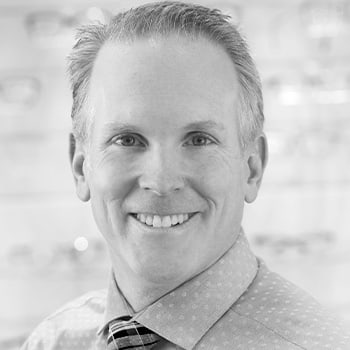
Dr. Douglas DenBak and Dr. Amar Choksi take time with each patient to understand your vision needs and match recommendations to how you actually live. If you’re ready to book an exam or have questions about what to expect, reach out to the team at EyeCare Niagara to get started.