

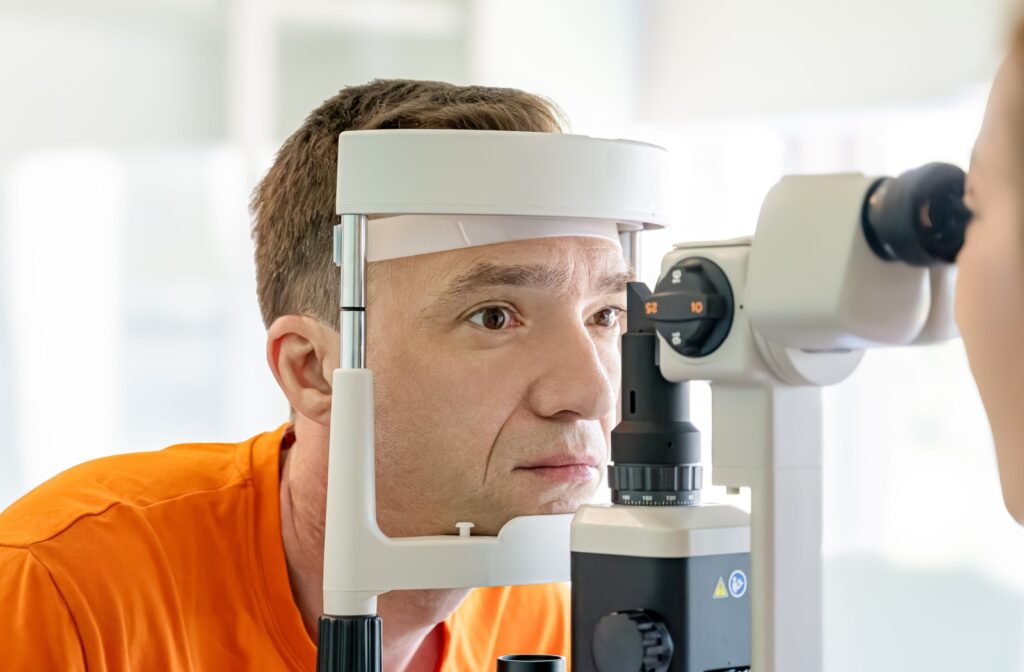
Living with diabetes involves managing many parts of your health, and your vision is a key piece of that puzzle. High blood sugar can affect the delicate blood vessels in your eyes, sometimes without you noticing any changes in how you see. That’s why, at EyeCare Niagara, we recommend regular diabetic eye exams.
A diabetic eye exam is a detailed check-up designed to find and monitor changes in your eyes caused by diabetes. These exams allow your eye care professional to look for and track conditions like diabetic retinopathy, thereby helping to protect your sight.
Why Your Eyes Need Special Attention with Diabetes
High blood sugar levels can affect small and delicate blood vessels throughout your body, including those in your eyes. Over time, this can lead to changes in your retina—the light-sensitive tissue at the back of your eye. These changes, often referred to as diabetic retinopathy, can impact your vision if they are not monitored.
A diabetic eye exam is designed to look for these issues. Since conditions related to diabetic eye disease can develop slowly and without obvious symptoms, this focused check-up is a key part of your overall diabetes care plan.
How a Diabetic Eye Exam Differs from a Regular Check-up
While a diabetic eye exam shares some steps with a routine eye exam, its main focus is different. The primary goal is to get a detailed look at the health of your retina, optic nerve, and the blood vessels inside your eye. This helps your optometrist spot signs of damage related to diabetes.
In many cases, diabetic eye exams involve dilation of the eyes using special drops. This simple and painless step widens the pupil, creating a clear, broad window to the back of your eye and allowing your optometrist a clearer view of your retina.
What to Expect During Your Appointment
Knowing what to expect during your exam can help you feel more prepared and comfortable.
A Chat About Your Health
Your appointment usually begins with a conversation. Your eye care team will ask about your general health, how you manage your diabetes, and whether you’ve noticed any recent changes in your vision.
Vision & Eye Pressure Tests
In this part of the exam, you’ll read from an eye chart to test the clarity of your vision at different distances. Your eye doctor will also perform a quick test to check the pressure inside your eyes, which you might feel as a gentle puff of air.
A Closer Look with Dilation
Eye drops are used to widen your pupils, which takes about 20 to 30 minutes to work. This allows your optometrist to see the entire retina in great detail. Because the drops make your eyes sensitive to light and cause blurry vision for a few hours, it’s important to arrange for someone to drive you home. You may also want to bring a pair of UV-blocking sunglasses for comfort.

Signs Your Eyes May Be Affected by Diabetes
Often, diabetic retinopathy comes with no early warning signs, which is why regular eye exams are so valuable. If symptoms do appear, it’s important to discuss them with your optometrist. You might notice:
- Blurry or fluctuating vision
- Dark spots or floaters in your line of sight
- Trouble seeing clearly at night
- Colours that seem faded or washed out
Your Exam Schedule with Diabetes
Following a consistent exam schedule helps you stay on top of your eye health. People living with diabetes should have an eye exam every year. If you have diabetes and are pregnant or planning to become pregnant, you should also schedule an eye exam.
Keep Your Vision Clear
A diabetic eye exam is a simple yet thorough way to care for your vision. As your optometrist in St. Catharines, our team at EyeCare Niagara is here to provide you with comprehensive eye care and answer any questions you have. Contact our office to schedule your appointment and take a proactive step for your eye health.